
The government has announced plans to reintroduce road tolls in a bid to tackle a significant financing gap in road infrastructure, a step which is expected to generate substantial revenue for the sector.
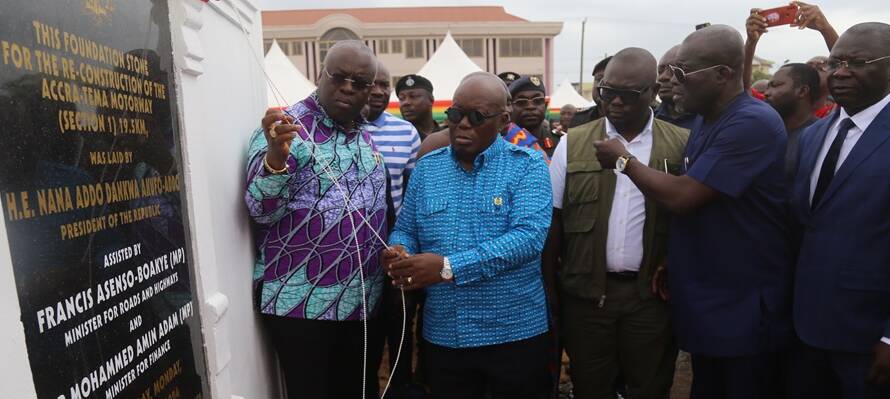
This proposal was disclosed by the Minister of Roads and Highways, Francis Asenso-Boakye during a high-level panel discussion marking the 50th anniversary of the Ghana Highways Authority (GHA).
Mr Asenso-Boakye stressed the critical role of road infrastructure in the socio-economic development of the country, noting that road transport accounts for approximately 95% of all transportation in Ghana.
“The need for increased funding to the Road Sector is both urgent and evident,” the Minister emphasised, as the nation grapples with a road network where only 44% of roads are in good condition, against a target of 70% by 2025.
Despite significant progress under the current administration, which says it has added 12,830 kilometres of roads compared to the 4,636 kilometres by the previous administration, the Minister acknowledged that much work remains.
“Government resources alone are insufficient to bridge this gap,” he stated, underscoring the importance of exploring innovative financing models and public-private partnerships
Given the Minister of Finance’s recent announcement to reintroduce road and bridge tolls in 2025, the Roads Minister said the Ministry of Roads and Highways has already begun taking steps towards this actualisation, viewing tolling as a promising revenue source.
Mr Asenso-Boakye cited the Korea Expressway Corporation, which generates $4 billion annually from tolls, as an example of the potential revenue such measures could yield.
The Minister also called for increased engagement with private sector partners and international development agencies such as the World Bank and the African Development Bank. These partnerships are deemed vital for leveraging additional funds and expertise, essential for the ambitious road development projects Ghana envisions.